Surfing & paddleboardingDestination guide
Canary Islands in winter: watersports, sea temperature and what to pack
The only part of Spain where the sea stays above 19 °C all winter: what to do, which wetsuit to pack and how to get kit delivered.
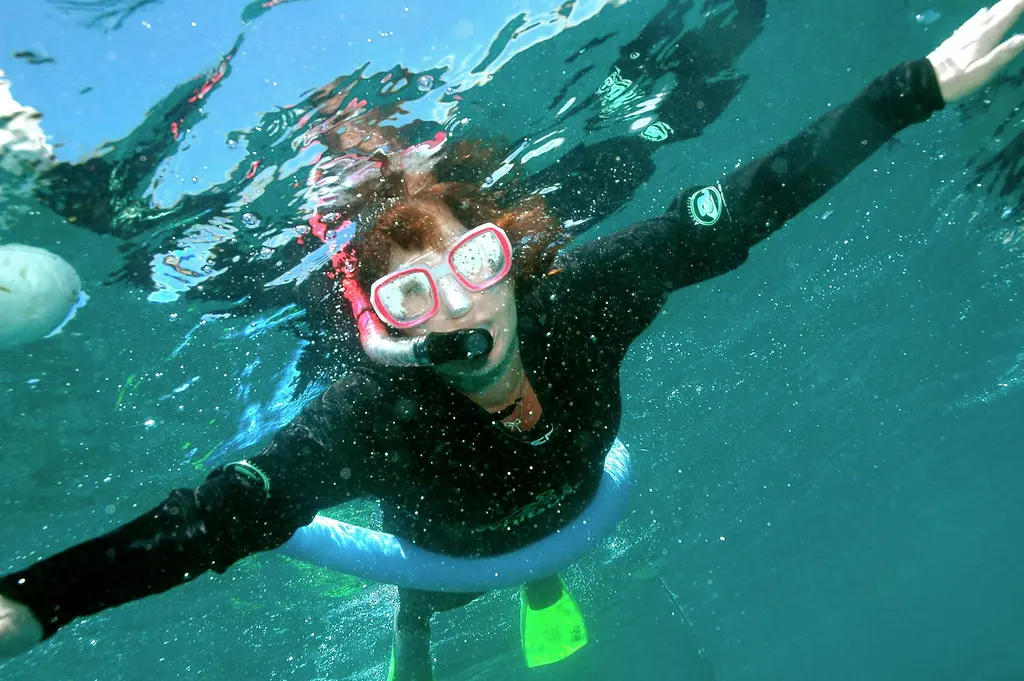
In winter the sea around the Canary Islands averages 19–21 °C, 3–7 °C warmer than mainland Spain depending on the coast, so from December to March you can surf, snorkel, dive or paddleboard in a thin wetsuit. If you're used to British winter water, it's a different world. What's different from the mainland is logistics: Amazon.es orders take longer and can attract import charges.
The figures come from Puertos del Estado's buoys and official sources. Below you'll find the month-by-month table, where to snorkel and dive, and what to know before ordering kit to the islands.
This guide explains types and criteria using public information; it doesn't recommend specific models. How we work.
On this page
Sea temperature from November to April
The coolest month in the Canaries is March, averaging 19.2 °C: almost the same as Galicia and the Bay of Biscay coast in midsummer, where August averages 20.1 °C.
| Month | Canary Islands | Suggested wetsuit | Mainland: coldest coast | Mainland: warmest coast |
|---|---|---|---|---|
| November | 22.6 °C | 2 mm | 16.0 °C | 19.6 °C |
| December | 21.1 °C | 2 mm | 14.5 °C | 17.9 °C |
| January | 20.0 °C | 2 mm | 13.6 °C | 16.9 °C |
| February | 19.3 °C | 2 mm | 13.0 °C | 16.2 °C |
| March | 19.2 °C | 2 mm | 12.9 °C | 16.2 °C |
| April | 19.7 °C | 2 mm | 13.6 °C | 17.0 °C |
Source: Puertos del Estado (daily means by marine region; Ocean Sportzone's calculation for 2005–2025). Wetsuit: Rip Curl's chart, checked on 21 November 2026.
What to do
Spain's tourist board, Turespaña, singles out the islands for learning to surf, with surf schools and water around 20 degrees for most of the year, and warns that some beaches aren't for beginners: El Confital in Gran Canaria, because of the rocky bottom and currents. If you're new to it, book a school and ask which beach suits you that day.
For snorkelling and diving, the Canaries have three of Spain's state marine reserves: La Graciosa and the islets north of Lanzarote, the largest in the whole network; La Restinga in El Hierro; and La Palma. Fishing and diving there are regulated, so check each reserve's rules before you go.
Which wetsuit to pack
With averages of 19–21 °C, Rip Curl's thickness chart suggests a 2 mm suit (shorty, short-arm suit or top) all winter. If it's windy, your sessions are long or you feel the cold, a 3/2 gives you some margin. To choose one, see how to choose a surf wetsuit. If you're flying in, a thin suit also packs far smaller than a winter one.
Getting kit delivered to the Canaries
If you live on the islands or are staying for a while, these are the conditions Amazon.es publishes:
- The Canaries are outside the EU VAT area: Amazon doesn't charge VAT, but orders can be subject to import or customs duties.
- Standard delivery takes 8–12 working days and premium delivery 3–5.
- You need to add a Spanish tax ID (NIF) to the delivery address; without it the courier may have trouble with customs.
- Each seller sets its own shipping restrictions, so check before you order.
For a holiday, hiring from a surf school or dive centre usually saves you delivery times, customs and luggage fees.
Safety
Swim and practise on lifeguarded beaches when you can, follow the beach flags and ask the surf school or dive centre about the currents in each area. Turespaña warns that on beaches such as El Confital the rocky bottom and currents aren't suitable for beginners.
Buying in Spain
- Canary Islands, Ceuta and Melilla: they're outside the EU VAT area, so Amazon.es doesn't charge VAT there, but orders can be subject to local import or customs charges, take longer to arrive and need a Spanish tax ID (NIF) in the delivery address. Each seller also sets its own shipping restrictions, so check before you order.
- If you're staying in a hotel or holiday let, ask reception before using it as your delivery address, or choose an Amazon Locker or pick-up point when you check out.
- Sizes on Spanish listings are usually EU sizes. Check the brand's own size chart rather than assuming your UK size converts directly.
- For a week's holiday, hiring locally can work out better than buying, especially for boards and kayaks. Bulky kit also costs extra to fly home.
Verdict: which should you get?
For surfing: start with a school and a thin suit; if you already surf, pick the beach to suit your level. For snorkelling and diving: the three marine reserves are the big draw, with their rules. For buying kit: allow extra delivery time and possible import charges.
Before you go, read how to choose a snorkel mask and, if you dive, how to choose a dive computer. To compare with the mainland, see our sea temperature guide.
FAQs
Do I need a wetsuit in the Canaries in winter?
With the sea averaging 19–21 °C, Rip Curl's chart suggests a 2 mm suit. In wind or for long sessions, a 3/2 gives you more margin.
Does Amazon.es deliver to the Canary Islands?
Yes: standard delivery in 8–12 working days or premium in 3–5, without VAT but with possible import duties, and with a Spanish tax ID (NIF) in the address. Each seller sets its own restrictions.
Where can I snorkel or dive?
Among other places, in the marine reserves of La Graciosa and the islets north of Lanzarote, La Restinga (El Hierro) and La Palma. Check their rules first.
Sources
- Marine climate indicators: daily mean sea temperature (Puertos del Estado, in Spanish)
- Wetsuit Temperature & Thickness Guide (Rip Curl)
- Canary Islands marine reserves (Spanish Ministry of Agriculture, Fisheries and Food press release, 22 July 2026, in Spanish)
- Best beaches for surfing in the Canary Islands (Turespaña, spain.info, in Spanish)
- Deliveries to the Canary Islands, Ceuta and Melilla (Amazon.es help, in Spanish)
- VAT on goods sold by Amazon.es in the Canary Islands, Ceuta and Melilla (Amazon.es help, in Spanish)
General guidance only. Always check the manufacturer's figures and the local rules where you are. See our legal notice.