KayakingHow to choose
How to choose an inflatable kayak
Seats, load and floor type: the differences that matter depending on where you'll paddle.
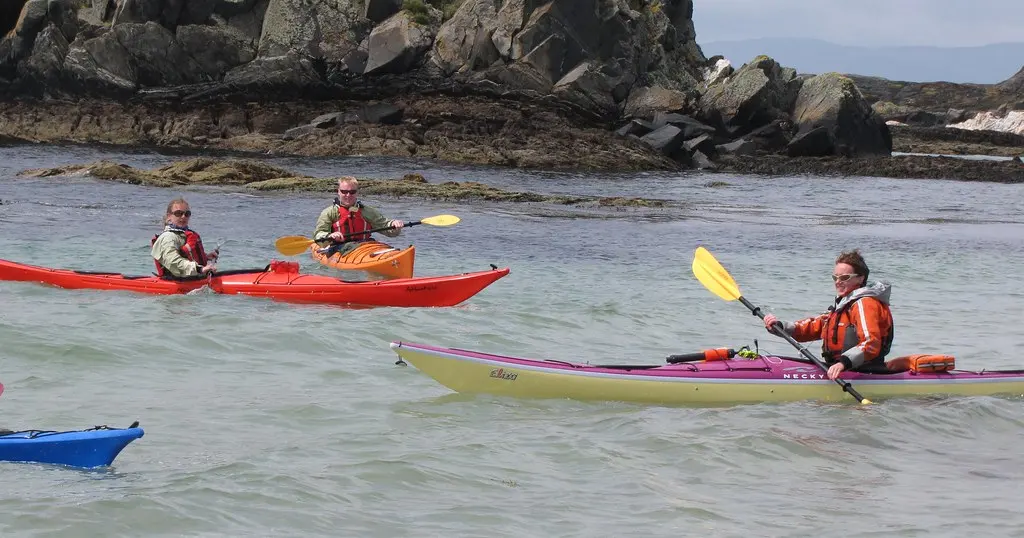
Decide where you'll paddle first, then check the maximum load rather than the number of seats: those two choices narrow things down more than any accessory. An inflatable kayak fits in a car boot and needs no roof rack or garage. The trade-off is that it usually feels the wind more than a hard kayak, and not every model is designed for the sea.
We compare types, not models. Always check the use the manufacturer declares on the listing.
This guide explains types and criteria using public information; it doesn't recommend specific models. How we work.
Types compared
| Type | Best for | Main strength | Watch out for |
|---|---|---|---|
| Entry-level low pressure | First outings on calm water | Easy to set up and use | Less stiff and responsive |
| High-pressure floor (drop-stitch) | Longer trips | Stiffer and more efficient to paddle | Higher price |
| Three-seater family kayak | Adults with children, or with kit for the day | More space and load | Heavier and bulkier to carry on foot |
| Sit-on-top | Anyone who wants to get on and off easily | Easier to get back on after a fall | You get wetter |
Each type explained
Entry-level low pressure
Best if you want: First outings on calm water
Simple and usually cheaper. Designed for sheltered water and calm days.
Pros
- Easy to set up and use
Watch out for
- Less stiff and responsive
- Struggles more in wind and chop
High-pressure floor (drop-stitch)
Best if you want: Longer trips
The floor is stiffer, so each stroke does more work and the kayak holds its line better.
Pros
- Stiffer and more efficient to paddle
Watch out for
- Higher price
- Needs a pump that reaches that pressure
Three-seater family kayak
Best if you want: Adults with children, or with kit for the day
More length and load. Check how the manufacturer intends those seats to be used: three seats don't always mean three adults.
Pros
- More space and load
Watch out for
- Heavier and bulkier to carry on foot
Sit-on-top
Best if you want: Anyone who wants to get on and off easily
You sit on it, not in it. It's easier to climb back on from the water, but you're more exposed to splashes and cold.
Pros
- Easier to get back on after a fall
Watch out for
- You get wetter
How to choose
Seats and maximum load
Look at the maximum load, not just the number of seats. Add up the weight of the paddlers and their kit, and leave a margin: a kayak at its limit sits low, is slower and handles worse.
Low pressure or drop-stitch
Low pressure is cheaper and simpler, and suits calm water. A high-pressure floor moves better and flexes less, in exchange for a higher price and a pump that can reach that pressure. If you'll paddle short distances on a lake or reservoir, the extra cost may not be worth it.
What to add to the budget
A buoyancy aid for each paddler, paddles of the right length, a pump that matches the working pressure and a dry bag for your phone. Check what the kit includes before comparing prices. If you go out when the water is cold, Spain's maritime authority recommends a wetsuit to prevent hypothermia after a capsize: see how to choose wetsuit thickness and type.
If you're heading out to sea
That asks more than a beach kayak can give. The official recommendations we cite below are written for sea kayaking and mention a sea-kayak buoyancy aid, signalling devices, a VHF radio or a protected phone, and training in recovering from a capsize. If an entry-level kayak isn't declared for that use, stay on sheltered water. Practise getting back on first, close to shore and where you can stand.
Kayak or board?
A kayak carries more kit and lets you paddle sitting down; a board packs a little smaller and has no seats to fit. Compare with how to choose an inflatable paddleboard.
Safety
Spain's Directorate General of the Merchant Navy (Dirección General de la Marina Mercante), part of the transport ministry, advises studying the weather bulletin and not going out in wind (including offshore wind, which can carry you away from the coast), bad weather or poor visibility. It recommends paddling in company and in daylight, wearing a sea-kayak buoyancy aid, carrying a whistle and other signalling devices, having a waterproof VHF radio or a charged phone protected from the water, and not leaving the kayak if you fall in. For sea kayaking it also says not to go more than six miles from the coast: don't treat that as a target with a leisure inflatable. These recommendations were published in 2020, so check the current rules where you paddle.
Buying in Spain
- Canary Islands, Ceuta and Melilla: they're outside the EU VAT area, so Amazon.es doesn't charge VAT there, but orders can be subject to local import or customs charges, take longer to arrive and need a Spanish tax ID (NIF) in the delivery address. Each seller also sets its own shipping restrictions, so check before you order.
- If you're staying in a hotel or holiday let, ask reception before using it as your delivery address, or choose an Amazon Locker or pick-up point when you check out.
- Sizes on Spanish listings are usually EU sizes. Check the brand's own size chart rather than assuming your UK size converts directly.
- For a week's holiday, hiring locally can work out better than buying, especially for boards and kayaks. Bulky kit also costs extra to fly home.
Verdict: which should you get?
To start on calm water: low pressure with enough load. For longer trips: consider a high-pressure floor, if you'll make use of the price difference. For families: put load and stability first.
The limitation: an inflatable kayak is sensitive to wind. Don't buy an entry-level one expecting to make open-sea crossings.
After every outing, follow this advice on care and salt water.
FAQs
Can I take an inflatable kayak on the sea?
It depends on the model, the conditions and your experience. Check what use the manufacturer declares, look at the forecast and don't go out in wind, including offshore wind.
What should I do if I capsize?
Spain's maritime authority advises staying with the kayak, because it gives you something to hold on to. Practise getting back on in calm water beforehand.
How should I store it so it lasts?
Rinse it with fresh water, dry it completely in the shade before folding it, and store it somewhere cool and dry.
Sources
General guidance only. Always check the manufacturer's figures and the local rules where you are. See our legal notice.