Wetsuits & accessoriesHow to choose
How to choose a surf wetsuit
Thickness for the water temperature, zip types and seams.
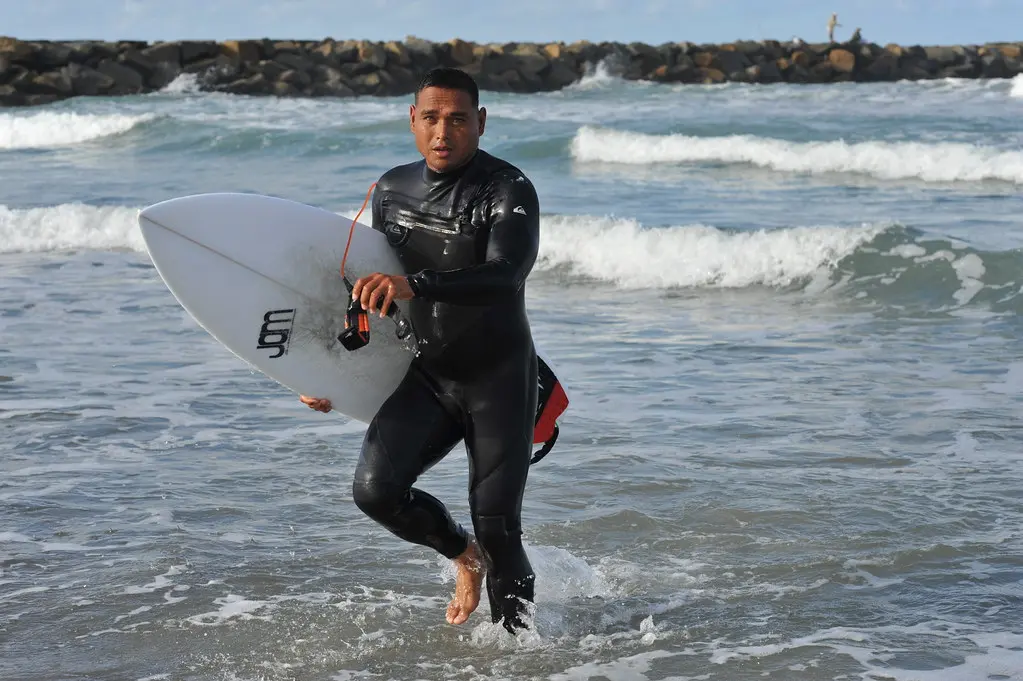
Choose the thinnest wetsuit that keeps you warm in the water you actually surf: extra warmth always costs you mobility and makes paddling harder work. In practice that means getting three things right: the thickness, the zip and the seams.
We don't give exact water temperatures: everyone feels the cold differently, and the wind counts too. Use the manufacturer's chart and, if you can, ask a local surf shop or school what people wear at each time of year. If you're only in Spain for a short surf holiday, ask the school whether wetsuit hire is available before you buy one.
This guide explains types and criteria using public information; it doesn't recommend specific models. How we work.
Types compared
| Type | Best for | Main strength | Watch out for |
|---|---|---|---|
| Shorty or rash vest | Warm water | Cool and very comfortable | Little thermal protection |
| 3/2 mm full suit | Mild water | Good mobility | Not warm enough in cool water |
| 4/3 mm full suit | Cool water | Versatile if you surf for several months | Hotter and less mobile in summer |
| 5/4 mm hooded suit | Cold water | The warmest option on this list | Less mobility and more weight |
Each type explained
Shorty or rash vest
Best if you want: Warm water
Short arms and legs, or just a rash vest for sun and chafe protection. Lots of freedom of movement, very little warmth.
Pros
- Cool and very comfortable
Watch out for
- Little thermal protection
3/2 mm full suit
Best if you want: Mild water
Light and stretchy, for when the water isn't so cold.
Pros
- Good mobility
Watch out for
- Not warm enough in cool water
4/3 mm full suit
Best if you want: Cool water
Warmer, with a little less mobility than a 3/2. It usually covers the in-between seasons.
Pros
- Versatile if you surf for several months
Watch out for
- Hotter and less mobile in summer
5/4 mm hooded suit
Best if you want: Cold water
For winter sessions, usually worn with boots and gloves. The warmest of the lot, and the hardest to move in.
Pros
- The warmest option on this list
Watch out for
- Less mobility and more weight
How to choose
What the numbers mean
A 4/3 is 4 mm thick on the torso, where holding on to heat matters, and 3 mm on the arms and legs, where you need to move. Two suits with the same numbers can be warmer or colder depending on the lining and the seams.
Thickness and water temperature
As a rough guide: in warm water a shorty or a rash vest is enough; in mild water, a 3/2; in cooler water, a 4/3; and in cold water, a 5/4 with boots, gloves and a hood. If you feel the cold, or you surf on windy days, go one step up and check it against the manufacturer's chart. If you start shivering in the water, get out: a wetsuit delays the cold, it doesn't stop it.
Back zip, chest zip or zipless
A back zip is the easiest to get into, but it usually lets in more water. A chest zip usually lets in less and leaves your back freer, but it's harder to put on. A zipless suit is stretchier and takes more patience to get into.
Seams and size
On thicker suits, sealed seams matter: they cut down the water getting in, at a higher price. And none of that helps if the size is wrong: the suit should fit snugly with no air pockets. If you're buying in Spain, don't assume your usual UK size carries over; the steps are in our wetsuit size guide.
Buying in Spain
- Canary Islands, Ceuta and Melilla: they're outside the EU VAT area, so Amazon.es doesn't charge VAT there, but orders can be subject to local import or customs charges, take longer to arrive and need a Spanish tax ID (NIF) in the delivery address. Each seller also sets its own shipping restrictions, so check before you order.
- If you're staying in a hotel or holiday let, ask reception before using it as your delivery address, or choose an Amazon Locker or pick-up point when you check out.
- Sizes on Spanish listings are usually EU sizes. Check the brand's own size chart rather than assuming your UK size converts directly.
- For a week's holiday, hiring locally can work out better than buying, especially for boards and kayaks. Bulky kit also costs extra to fly home.
Verdict: which should you get?
If you surf for several months in cool water: a 4/3 usually covers more of the year. Summer only: a 3/2 or a shorty, depending on where you surf. Cold winters: a 5/4 with a hood.
The trade-off: more thickness means more warmth but less mobility. It may not be worth buying a winter suit if you only surf in summer. To make it last, follow our wetsuit washing routine. If you haven't got a board yet, start with how to choose your first surfboard.
To see which thickness suits each Spanish coast month by month, check our sea temperature guide, based on Puertos del Estado buoy data.
FAQs
Can I use a surf wetsuit for diving?
It may do for snorkelling in mild water. For scuba diving, ask your dive centre: diving wetsuits are designed with different priorities.
Should a wetsuit feel tight?
It should fit snugly without restricting your breathing or your shoulders. Dry and out of the water, it will feel tighter.
General guidance only. Always check the manufacturer's figures and the local rules where you are. See our legal notice.