SwimmingHow to choose
How to choose swimming goggles
Lens, fit and anti-fog, whether you swim in a pool or the sea.
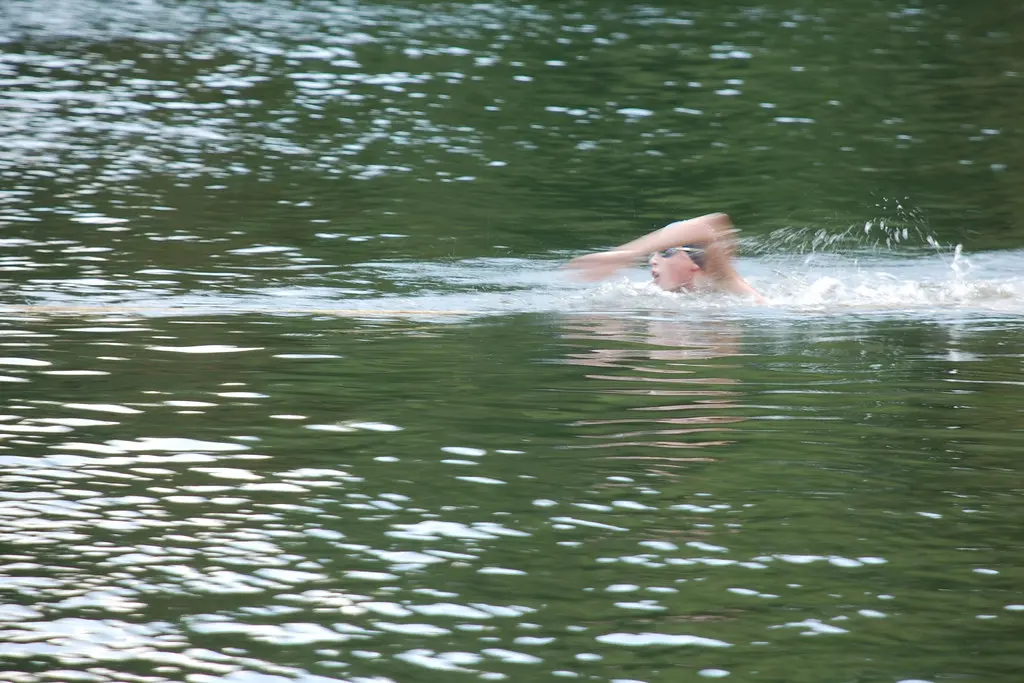
Two things make or break swimming goggles: they have to seal on your face, and the lens has to suit the light you swim in. A dark lens works in sunshine and gets in the way in an indoor pool; a clear one is the reverse.
We compare types, not models. If you can't try them on before you buy, at least check that the nose bridge can be swapped.
This guide explains types and criteria using public information; it doesn't recommend specific models. How we work.
Types compared
| Type | Best for | Main strength | Watch out for |
|---|---|---|---|
| Open water, mirrored lens | The sea and longer swims in sunshine | Cut glare | Too dark indoors or at dawn |
| Photochromic | Swimmers who use both the sea and the pool | One pair for several settings | Slightly higher price |
| Low-profile pool goggles | Pool training | Firm fit | More limited side vision |
| Children's goggles | Children, within the age range the manufacturer gives | Easy to put on and take off | Don't last long if chewed or stretched |
Each type explained
Open water, mirrored lens
Best if you want: The sea and longer swims in sunshine
A wide lens for spotting buoys and landmarks, with a coating that cuts glare from the sun.
Pros
- Cut glare
- Better side vision
Watch out for
- Too dark indoors or at dawn
Photochromic
Best if you want: Swimmers who use both the sea and the pool
The lens adapts to the light. They work across different conditions, though they don't excel in all of them.
Pros
- One pair for several settings
Watch out for
- Slightly higher price
Low-profile pool goggles
Best if you want: Pool training
Small and snug, with a clear or smoked lens. Comfortable through turns, though they can become uncomfortable in very long sessions.
Pros
- Firm fit
Watch out for
- More limited side vision
Children's goggles
Best if you want: Children, within the age range the manufacturer gives
Soft seals and an easy-to-adjust strap so they don't pull at hair. Wearing goggles is no substitute for keeping an eye on them.
Pros
- Easy to put on and take off
Watch out for
- Don't last long if chewed or stretched
How to choose
Which lens you need
U.S. Masters Swimming's guidance: clear for indoor pools; smoked or mirrored for outdoor pools; mirrored, polarised or photochromic for open water. In low light outdoors, avoid very dark lenses. If you'll only own one pair, an in-between lens will leave you slightly worse off at each extreme.
Fit is personal
Press the goggles against your eyes without the strap: if they stay on for a few seconds, they seal. Then put the strap on without over-tightening: tightening won't fix a poor seal and leaves marks. Interchangeable nose bridges help you fine-tune the fit.
Making anti-fog last
Avoid rubbing the inside of the lens, as you can damage the coating. Rinse in fresh water and leave to air-dry in the shade. After a sea swim, follow our tips on protecting kit from salt.
Safety
For open water, Swim Wales advises not swimming alone; checking the forecast, tides and wave height; staying out when the water is rough; and wearing a brightly coloured swim cap and a tow float so other water users can see you. Get in slowly so your body can adjust to the cold, and know how far you can swim that day. If you get into difficulty, relax, float on your back and wait until your breathing is under control. Goggles only help you see: they don't add to your safety margin.
Buying in Spain
- Canary Islands, Ceuta and Melilla: they're outside the EU VAT area, so Amazon.es doesn't charge VAT there, but orders can be subject to local import or customs charges, take longer to arrive and need a Spanish tax ID (NIF) in the delivery address. Each seller also sets its own shipping restrictions, so check before you order.
- If you're staying in a hotel or holiday let, ask reception before using it as your delivery address, or choose an Amazon Locker or pick-up point when you check out.
- Sizes on Spanish listings are usually EU sizes. Check the brand's own size chart rather than assuming your UK size converts directly.
- For a week's holiday, hiring locally can work out better than buying, especially for boards and kayaks. Bulky kit also costs extra to fly home.
Verdict: which should you get?
Indoor pools only: a clear lens. Mostly outdoors or in the sea: mirrored or polarised, with good side vision. For both: photochromic, accepting that it costs a little more.
What matters most is that they seal on your face. To protect your eyes out of the water, see how to choose sports sunglasses.
If you'd also like to see what's below you, read how to choose a snorkel mask.
FAQs
Why do my goggles fog up?
A difference in temperature can play a part, or the anti-fog coating may have worn off, often from rubbing the inside. An anti-fog spray helps in many cases.
Can you get prescription swimming goggles?
Yes, there are models with corrective lenses. Check your prescription with an optician or other eye-care professional.
When should I replace them?
When the seals lose their elasticity, the strap gives or they stop sealing even after you adjust them.
Sources
General guidance only. Always check the manufacturer's figures and the local rules where you are. See our legal notice.