Wetsuits & accessoriesHow to choose
How to choose sunglasses for beach sports
Filter, polarisation and grip for long hours playing in the sun.
For the beach, look for category 3 sunglasses with a properly marked label, then choose a frame and strap that stay put for your sport. The sun hits you from above and bounces back off the sand and water, so it helps to separate two questions: do the glasses actually protect your eyes, which you check on the label, and do they suit your sport, which comes down to the frame and how they're held on.
If you have any concerns about your eyesight, see an optician. This guide doesn't replace their advice.
This guide explains types and criteria using public information; it doesn't recommend specific models. How we work.
Types compared
| Type | Best for | Main strength | Watch out for |
|---|---|---|---|
| Polarised wraparounds | Sand sports and walks along the shoreline | Cut glare off the water and sand | Polarisation can make screens harder to read |
| Floating, with a cord | Paddleboarding, kayaking and sailing | Hard to lose | Slightly bulkier frame |
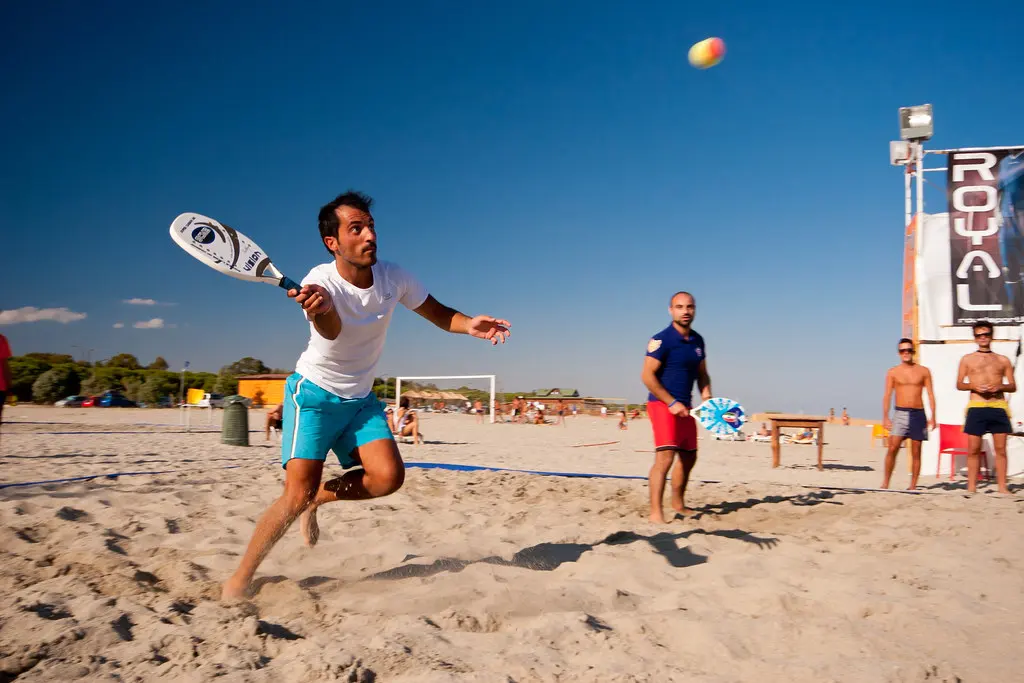
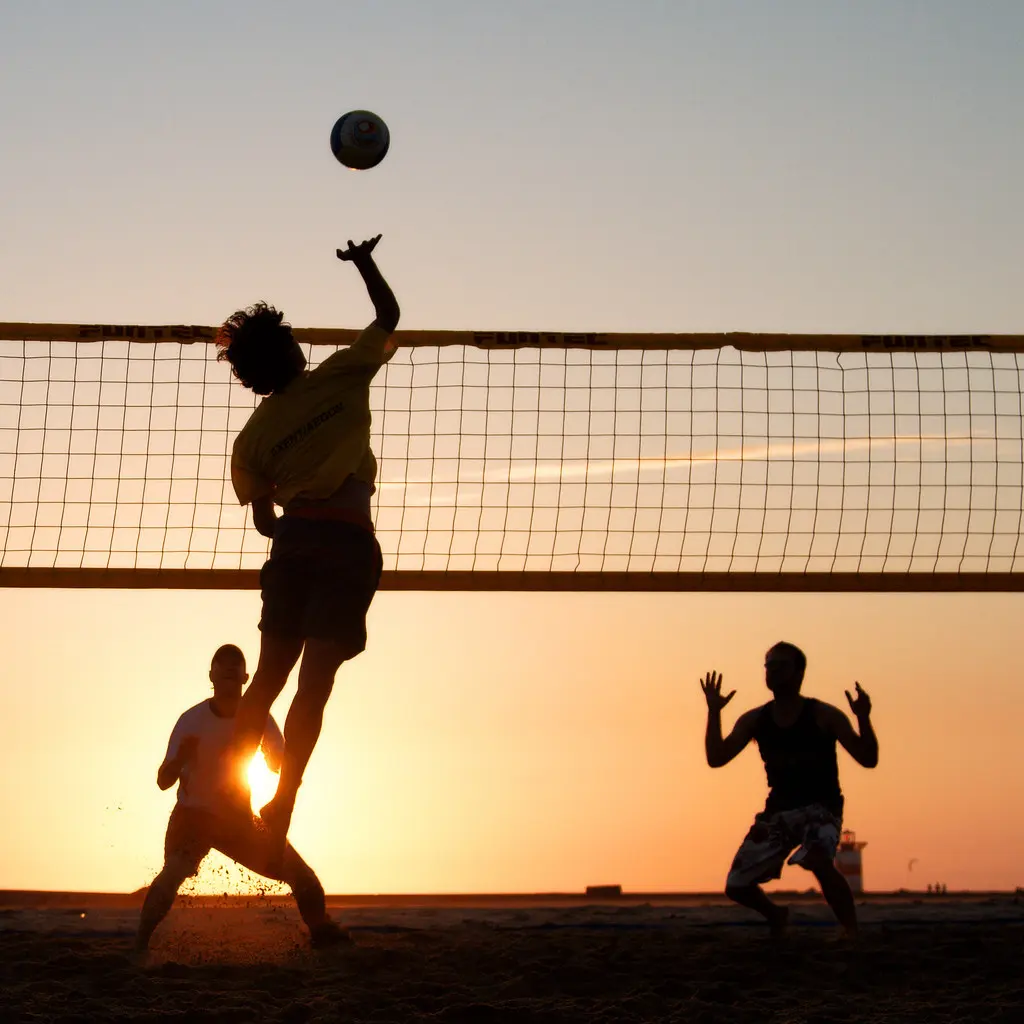
| With an adjustable strap | Beach volleyball, footvolley and jumping | Stay put when you move | Very sporty look |
| Children's sunglasses | Children, according to the manufacturer's sizing | Impact-resistant frame | Soon outgrown |
Each type explained
Polarised wraparounds
Best if you want: Sand sports and walks along the shoreline
The frame covers more of your field of view and the polarised lens cuts glare.
Pros
- Cut glare off the water and sand
Watch out for
- Polarisation can make screens harder to read
Floating, with a cord
Best if you want: Paddleboarding, kayaking and sailing
If they fall in, they float, and the cord helps you avoid losing them.
Pros
- Hard to lose
Watch out for
- Slightly bulkier frame
With an adjustable strap
Best if you want: Beach volleyball, footvolley and jumping
An elastic strap at the back holds them in place through sudden movements.
Pros
- Stay put when you move
Watch out for
- Very sporty look
Children's sunglasses
Best if you want: Children, according to the manufacturer's sizing
A flexible frame and a correctly marked filter. Avoid toy sunglasses, which may not protect properly.
Pros
- Impact-resistant frame
Watch out for
- Soon outgrown
How to choose
Filter category
Sunglasses are rated from 0 to 4. Consumo Responde, the consumer information service run by the Andalusian regional government, and the OCU, a Spanish consumers' organisation, both put category 3 as the one for the beach in bright light, and category 4 for extreme conditions such as snow or the open sea. Category 4 isn't suitable for driving, so if you use them, take another pair for the drive back.
What the label should show
CE marking, the category, the filter type, the manufacturer or supplier, and a reference to the ISO 12312 standard. The OCU warns that CE marking doesn't mean the glasses have passed any check and is easy to fake, so buy from sellers you trust. A dark lens without a proper filter can be worse than wearing no sunglasses at all, because it makes your pupils dilate.
Polarised or not?
Polarisation cuts glare off the water and sand, which is what makes it useful. The trade-off is that screens can be harder to read. It isn't the same as UV protection, so check the two separately.
Grip and materials
Light, flexible frames, rubber tips on the arms and, for sports with jumping, a strap at the back. If you'll be on the water, on a stand-up paddleboard or in a kayak, add a cord or choose a floating pair.
Buying in Spain
- Canary Islands, Ceuta and Melilla: they're outside the EU VAT area, so Amazon.es doesn't charge VAT there, but orders can be subject to local import or customs charges, take longer to arrive and need a Spanish tax ID (NIF) in the delivery address. Each seller also sets its own shipping restrictions, so check before you order.
- If you're staying in a hotel or holiday let, ask reception before using it as your delivery address, or choose an Amazon Locker or pick-up point when you check out.
- Sizes on Spanish listings are usually EU sizes. Check the brand's own size chart rather than assuming your UK size converts directly.
- For a week's holiday, hiring locally can work out better than buying, especially for boards and kayaks. Bulky kit also costs extra to fly home.
Verdict: which should you get?
For playing on the sand: wraparounds with a strap. For water sports: a floating pair with a cord. For children: a flexible frame and a clearly marked filter.
First and foremost, they must be properly marked; be wary of any pair that doesn't state its filter. For swimming you need something different: how to choose swimming goggles.
If you play on the sand, see also how to choose a beach volleyball.
FAQs
What does UV400 mean?
That the lens claims to filter ultraviolet radiation up to 400 nanometres. Check it alongside the rest of the label.
Do cheap sunglasses protect just as well?
Price alone doesn't tell you. Buy from sellers you trust, check the label and, if in doubt, ask an optician.
Can I drive in them?
Not in category 4. For other categories, check the manufacturer's guidance.
Sources
General guidance only. Always check the manufacturer's figures and the local rules where you are. See our legal notice.